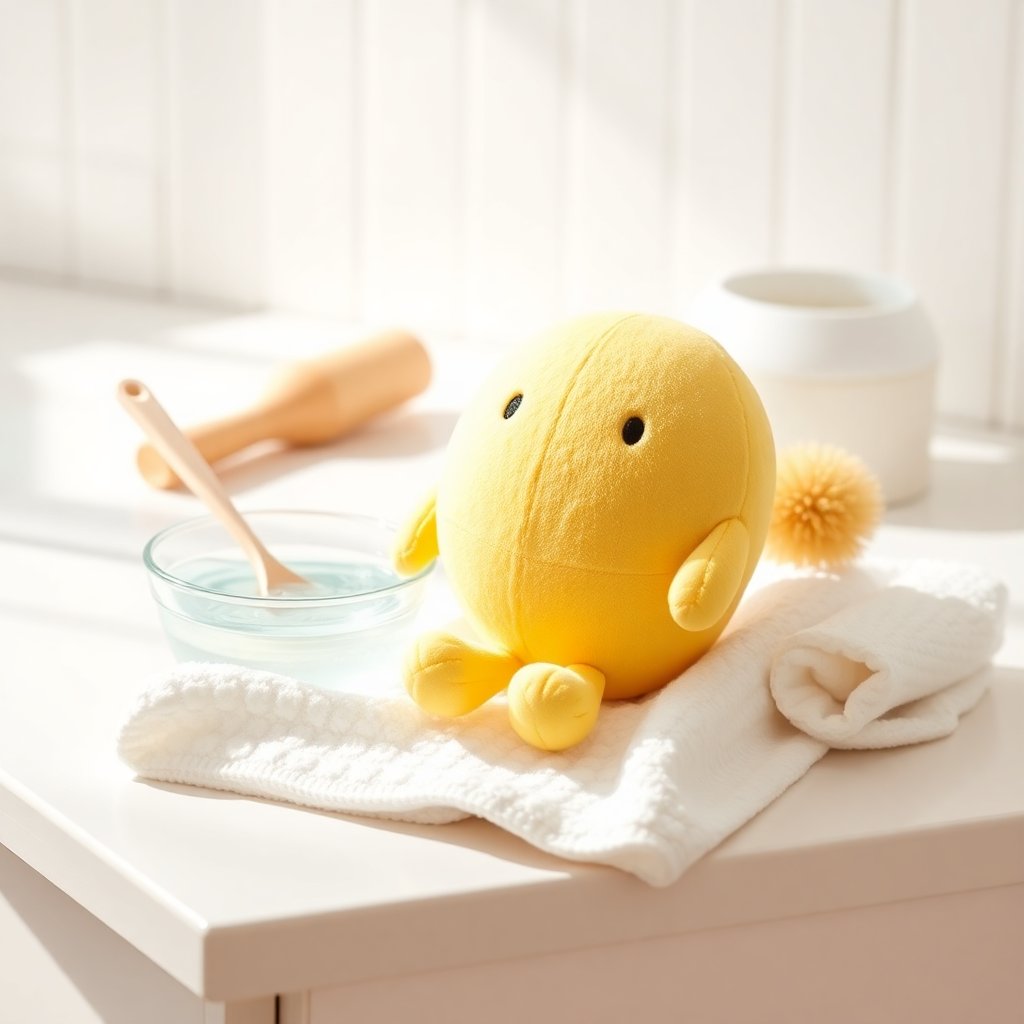
Every Pikachu plush tells a story. Maybe it is the one you won at a fair in 1999, the Pokémon Center sitting Pikachu that has watched over your desk for five years, or the slightly lopsided bedtime buddy your kid refuses to sleep without. Whatever the story, there comes a day when you pick it up and realize that sunny yellow has gone a little... beige.
Good news: most Pikachu plush can be brought back to life with patience, cool water, and the right technique. The bad news is that the wrong technique, like a hot wash and a tumble dryer, can flatten the fur, melt glued details, warp the ears, and fade those iconic red cheeks in a single cycle. With gift season coming up, and new plush likely joining the family, now is a great time to give your existing crew a refresh.
Here is the complete guide, from a quick dust-off to a full rescue mission.
Step Zero: Read the Tag (and Know What You Have)
Check the care tag first. Most licensed plush carry a sewn-in tag with care symbols or instructions. Many official Pikachu plush are labeled surface-wash or spot-clean only, while some kid-focused plush, like certain build-your-own bear-style designs, are labeled machine washable. The tag always beats general advice, including this article.
Identify the construction. Different Pikachu plush are built very differently:
- Standard plush with embroidered eyes and cheeks: the most forgiving.
- Mochi-style or ultra-soft plush with stretchy, silky fabric: delicate and prone to pilling.
- Plush with sound chips, batteries, or light-up parts: never submerge these.
- Plush with glued felt, plastic eyes, or hard accessories like hats, scarves, or costume pieces: water and heat can loosen the glue.
- Vintage plush from the late 1990s and early 2000s: older fabric, older stuffing, and often far more sentimental or collectible value.
Know if it is a collectible. If your Pikachu has a hang tag still attached, is a rare event or regional exclusive, or is something you might sell someday, treat it like a collectible. Our guide to rare Pikachu merchandise covers what tends to hold value. For collectibles, condition is everything, and the hang tag itself often matters to buyers. Keep it dry and stick to the gentlest methods below.
Level 1: Routine Dusting (Do This Monthly)
Shelf plush collect dust faster than you would think, and dust slowly dulls the color.
- Take the plush outside or near a window and give it a few gentle pats to loosen surface dust.
- Use a soft clothes brush or a clean, soft toothbrush and brush in the direction of the fur.
- For lint, hair, and pet fur, roll a lint roller lightly over the surface. Press gently; aggressive rolling can pull fibers on minky fabric.
- Optional: a handheld vacuum on the lowest setting with a brush attachment, held slightly above the fabric, works well for bigger plush.
→ Shop soft garment brushes for plush on Amazon
Level 2: Spot Cleaning Small Marks
This is the right move for most official Pikachu plush and for anything with a care tag that says surface wash only.
What you need: a white microfiber cloth, cool water, and a small amount of gentle, dye-free detergent or wool wash.
- Mix a tiny amount of detergent into a bowl of cool water. Think a few drops, not a squirt. You want barely-there suds.
- Test first on a hidden spot, like the underside or the back of the tail, to make sure the color does not bleed. The red cheeks and brown stripes are the most likely areas to run on cheaper plush.
- Dampen the cloth, wring it out until it is nearly dry, and dab the stain. Do not scrub. Scrubbing fuzzes the fabric and can leave a lighter patch.
- Work from the outside of the stain toward the center so it does not spread.
- Rinse the cloth in clean water and dab again to lift any soap residue. Leftover detergent attracts more dirt later.
- Blot with a dry towel and let the plush air-dry fully.
A note on white cloths: a colored cloth can transfer dye onto that bright yellow fabric. Stick to white.
Level 3: Surface Washing the Whole Plush
When Pikachu is dingy all over rather than just stained, a full surface wash is the next step. It uses the same method as spot cleaning, applied to the whole body in sections.
- Work in sections: face, ears, body, tail.
- Keep the plush as dry as possible inside. The goal is to clean the fabric, not soak the stuffing. Soaked stuffing dries slowly and can develop a musty smell or mildew.
- Be extra gentle around the face. Embroidery on the eyes and mouth can fray, and the cheeks are a focal point you do not want to fade.
- Brush the fur back into place while it is still slightly damp, using a soft brush in the direction of the pile.
Level 4: Machine Washing (Only When the Tag Allows)
Some plush are made for real-world kid life and are labeled machine washable. If yours is one of them:
- Remove any sound box or batteries if the design allows it.
- Place the plush in a zippered mesh laundry bag or a pillowcase tied shut. This protects the ears and tail from snagging.
- Use the delicate or hand-wash cycle with cold water and a small amount of gentle detergent.
- Add a couple of towels to balance the load and cushion the plush.
- Skip fabric softener, which can leave residue on synthetic fur and make it feel greasy over time.
- Never use bleach, even on the white parts. It can yellow synthetic fibers and damage colors.
If the tag says surface wash only, take it seriously. Machine washing a plush that was not designed for it can cause lumpy stuffing, flattened ears, and loosened seams.
→ Shop zippered mesh laundry bags on Amazon
Drying: Where Most Plush Get Ruined
Never use high heat. A hot dryer can melt synthetic fur into a stiff, crunchy texture that cannot be fixed, and it can weaken glue on any attached parts.
Air-dry the right way:
- Gently squeeze, do not wring, the plush inside a thick towel to remove excess water.
- Reshape the ears and tail while damp. Pikachu's ears especially can droop or bend if they dry crooked.
- Lay it flat or prop it upright on a drying rack in a well-ventilated room, turning it every few hours.
- Avoid direct sunlight and radiators. Strong sunlight is the number one cause of yellow plush fading to a pale lemon shade, and direct heat can warp the fabric.
- A fan helps. Moving air dries the stuffing faster and reduces the risk of a musty smell.
Larger plush can take one to two days to dry completely. Squeeze the thickest part; if it feels cool or damp inside, it needs more time.
Fixing Matted or Pilled Fur
Well-hugged plush often develop flattened, clumped, or pilled spots, especially on the belly and cheeks.
- For matting: brush gently with a soft pet slicker brush or wide-tooth comb in short strokes, holding the fabric taut with your other hand. Go slowly; aggressive brushing pulls fibers out.
- For light flattening: a few seconds of steam from a garment steamer held several inches away, followed by gentle brushing, can lift the pile. Never let a hot steamer touch the fabric, and skip this entirely for plush with glued parts.
- For pilling on soft or mochi-style fabric: a battery fabric shaver used very lightly can remove pills, but test on a hidden area first. It is easy to take off too much.
Removing Odors
Sometimes a plush is not dirty so much as stale.
- Sprinkle baking soda lightly over the surface or seal the plush in a bag with an open dish of baking soda overnight.
- Brush or vacuum it off thoroughly the next day.
- Air it out in a shaded, breezy spot.
Skip strong fragrance sprays, which can leave residue and may irritate kids with sensitivities.
Storing Your Pikachu Collection
How you store plush matters as much as how you clean them.
Keep them out of direct sunlight. UV exposure is the main reason yellow plush fade. Even a sunny windowsill for a summer can noticeably change the color.
Let them breathe. Sealed plastic bins can trap moisture and lead to mildew, especially in humid basements or attics. Breathable cotton storage bags or bins with some airflow, kept in a climate-controlled room, are a safer choice for long-term storage.
Display smart. Clear acrylic display cases keep dust off prized pieces while showing them off. They are ideal for collectibles with hang tags you want to preserve.
Do not crush them. Stacking heavy items on plush permanently flattens stuffing and creases ears.
Protect the hang tags. For collectible plush, small tag protectors keep the cardboard tags from bending, which can matter if you ever sell or trade.
→ Shop clear acrylic display cases on Amazon
→ Shop breathable cotton storage bags on Amazon
Special Cases
Vintage plush: Fabrics and stuffing from the late 1990s can be fragile. Stick to dusting and careful spot cleaning, and test everything. If a vintage piece is valuable, consider whether cleaning might affect its collectible appeal before you begin.
Plush with sound chips or lights: Surface clean only, and keep water well away from the electronics. Remove batteries before cleaning if possible.
Plush with costumes and accessories: Detach removable accessories and clean them separately. Holiday and dress-up Pikachu designs often use glued felt or ribbon, so avoid soaking those areas.
Kids' plush after illness: If a beloved plush needs a thorough clean after a cold or stomach bug, follow the tag. If it is machine washable, a gentle wash and complete air-dry is best. If it is not, some families seal the plush in a bag for several days, but follow any pediatric guidance you have been given for your situation.
A Little Pikachu History Before You Go
Pikachu has been the face of the franchise since the first games launched in Japan in 1996, and the plush have changed a lot since then, from early stiff, rounder designs to today's ultra-soft, highly detailed versions. Bulbapedia's Pikachu page is a great rabbit hole if you want the full background, and our own history of Pikachu covers how the design evolved. Knowing roughly when your plush was made helps you understand how delicate its materials might be.
Quick Reference: Pikachu Plush Care Cheat Sheet
- Monthly: dust with a soft brush or lint roller.
- Small marks: spot clean with a white cloth, cool water, and a drop of gentle detergent.
- All-over dinginess: surface wash in sections, keeping the stuffing dry.
- Machine wash: only if the tag allows, in a mesh bag on cold delicate.
- Drying: air-dry, reshape ears, no heat, no direct sun.
- Storage: out of sunlight, breathable containers, no crushing.
The Bottom Line
A little regular care keeps your Pikachu plush bright, soft, and huggable for years. Start with the gentlest method, test before you clean, and resist the urge to throw a beloved plush into a hot dryer. If you are thinking about adding a new friend to the shelf this season, our roundup of the best Pikachu plush of 2026 is a good place to start, and now you will know exactly how to keep it looking brand-new.
Affiliate disclosure: some links in this article are Amazon affiliate links. If you buy through them, Pikachu Zone may earn a small commission at no extra cost to you. Pikachu Zone is a fan site and is not affiliated with Nintendo, Game Freak, Creatures Inc., or The Pokémon Company.
As an Amazon Associate we earn from qualifying purchases. This article contains affiliate links; if you buy through them we may earn a small commission at no additional cost to you.