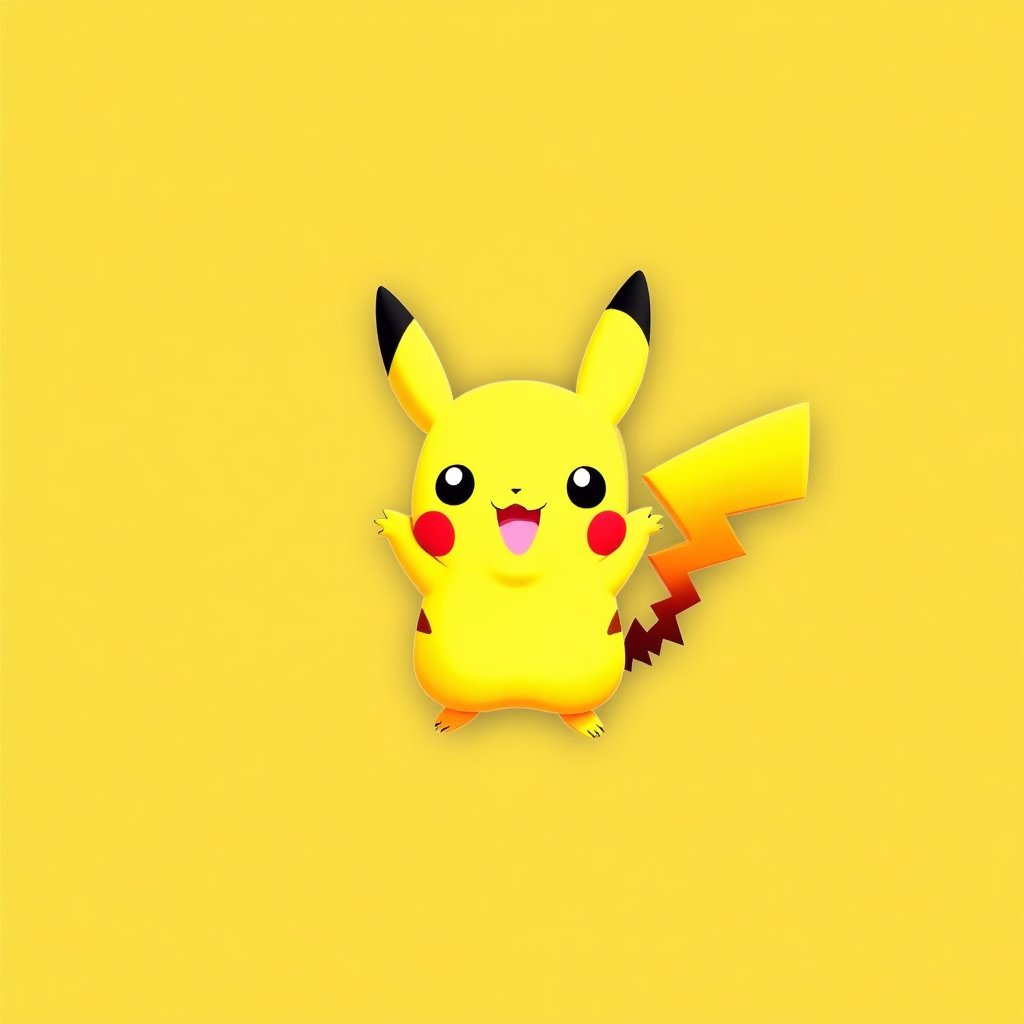
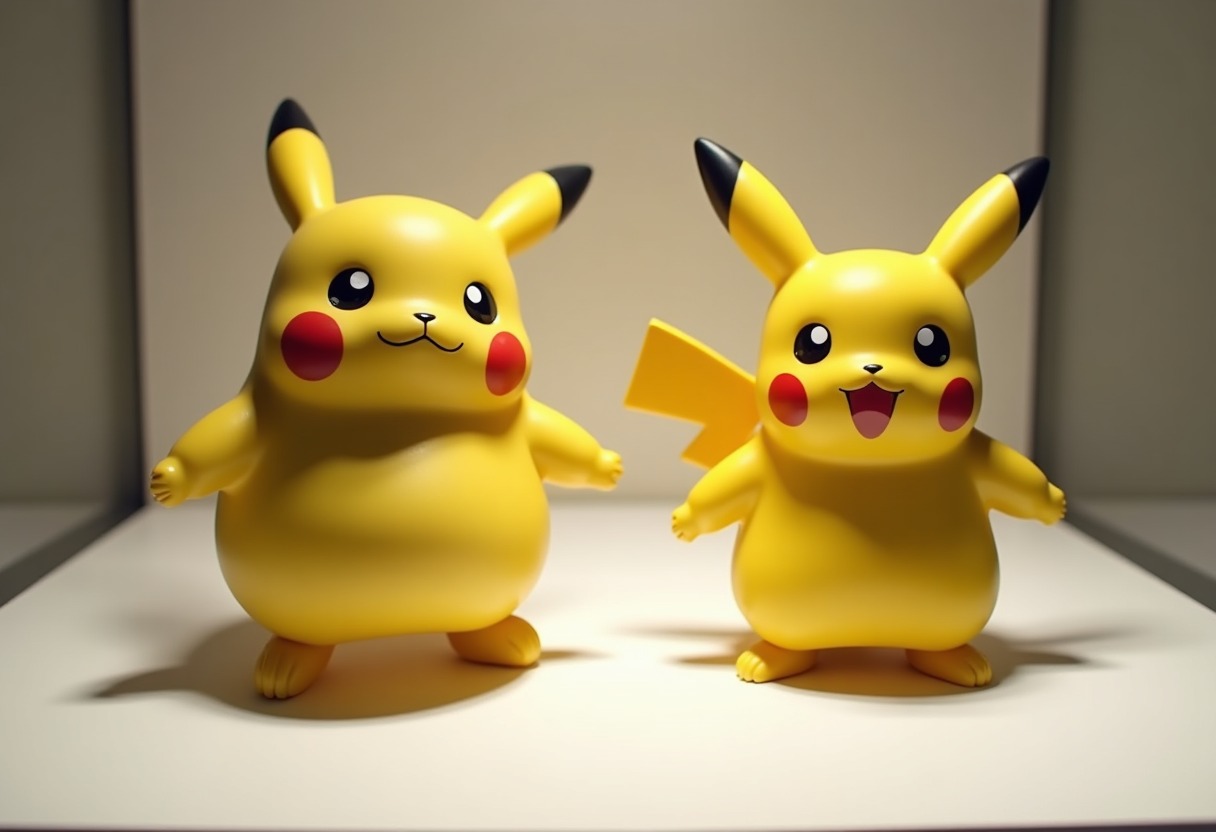
Pikachu's transformation from the plump, round sprite of 1996 to today's streamlined mascot represents one of gaming's most dramatic character redesigns. The chunky Generation 1 Pikachu barely resembles the sleek icon that graces modern merchandise, and collectors pay premium prices for items featuring that original chubby design.
Why Pikachu's Design Changed So Dramatically
The original Pikachu design reflected the technical limitations and artistic choices of the mid-1990s Game Boy era. Ken Sugimori's concept art depicted a rounder, more mouse-like creature that translated into the iconic Generation 1 sprite work we remember today. This chubby Pikachu appeared shorter, wider, and more realistic as an actual electric mouse.
The anime's influence cannot be overstated in driving Pikachu's design evolution. When Pokemon debuted on television in Japan in 1997, animators needed a more expressive, appealing character for extended screen time. The rounder design proved difficult to animate consistently across thousands of animation frames, leading to gradual slimming and proportional adjustments.
Market research and global expansion accelerated these changes. As Pokemon targeted international audiences and broader age ranges, Pikachu's design shifted toward universal appeal — less rodent-like, more cartoon mascot. The design team prioritized recognition across cultures and merchandise applications over the original biological accuracy.
Generation 1 vs Modern Pikachu: Visual Breakdown
The differences between original and modern Pikachu designs span every visual element. Generation 1 Pikachu measured roughly as wide as he was tall, with a genuinely rotund belly and stubby limbs. His cheeks appeared smaller and more proportional to his overall face size.
Modern Pikachu stretches noticeably taller with longer limbs, a defined neck, and dramatically larger cheek pouches. His tail changed from a thick, paddle-like appendage to the slender lightning bolt shape familiar today. The eyes grew larger and more expressive, while the ears became more pointed and mobile for animation purposes.
Color saturation also evolved significantly. Early Pikachu featured muted yellows and browns that worked within Game Boy limitations. Current designs use bright, saturated yellows that pop on modern displays and merchandise. The red cheek circles intensified from subtle pink-red to vibrant crimson.
Body proportions tell the clearest story. Original Pikachu's head-to-body ratio resembled an actual rodent — roughly 1:2. Modern Pikachu approaches 1:1 proportions, creating the "baby-like" appeal that drives merchandise sales worldwide.
Design Evolution Across Pokemon Generations
| Generation | Years | Key Design Changes | Notable Features | |------------|--------|-------------------|------------------| | Gen 1 (Red/Blue/Yellow) | 1996-1999 | Original chubby design, realistic mouse proportions | Short, rotund body; small cheeks; thick tail | | Gen 2-3 (Gold/Silver through Ruby/Sapphire) | 1999-2006 | Gradual slimming begins, anime influence increases | Slightly taller stance; brighter colors | | Gen 4-5 (Diamond/Pearl through Black/White) | 2006-2012 | Major proportional shift, neck becomes visible | Longer limbs; defined waistline; larger eyes | | Gen 6+ (X/Y onwards) | 2013-present | Modern sleek design established | Tall, slender build; oversized cheek pouches; expressive features |
The transition wasn't abrupt — each generation showed incremental changes that accumulated into the dramatic transformation we see today. Generation 4 marked the most significant shift, introducing the visible neck and longer proportions that define modern Pikachu.
Vintage Pikachu Merchandise: Collecting the Original Design
Original design Pikachu merchandise commands premium prices among collectors who prefer the authentic Generation 1 aesthetic. → Shop vintage Pikachu figures on Amazon from the late 1990s showcase the chunky proportions that many fans consider the "true" Pikachu design.
The most sought-after items include Tomy figures from 1998-2000, featuring the original proportions before design standardization. These → Shop generation 1 Pikachu plush on Amazon often show significant differences in body shape compared to modern releases.
Pokemon cards offer the clearest design timeline. Base Set Pikachu cards from 1998 show the original artwork style, while modern cards reflect current proportions. Collectors specifically seek → Shop retro Pokemon cards on Amazon featuring Sugimori's original illustrations.
Japanese merchandise tends to preserve original designs longer than international releases. → Shop classic Pikachu merchandise on Amazon from the early 2000s often maintains the chubby aesthetic even as American products shifted toward modern designs.
For serious collectors, our Best Pikachu Collectibles 2026 guide covers the most valuable vintage items, while Rare Pikachu Merchandise details specific pieces that showcase the original design evolution.
Advanced Collecting Strategy: Design Period Authentication
Smart collectors learn to authenticate merchandise by design period rather than just manufacturing dates. Companies often used older artwork on newer products, making production year alone unreliable for determining design era.
Study proportional measurements to identify authentic vintage designs. Measure height-to-width ratios on figures — original Pikachu should be nearly square, while modern versions show clear vertical elongation. Cheek size relative to head circumference provides another reliable indicator.
Packaging artwork frequently contradicts the actual product inside. Early 2000s releases sometimes featured modern Pikachu on boxes while containing original-design figures. Always examine the actual merchandise, not just promotional materials.
Regional variations complicate authentication further. Japanese releases maintained original proportions longer than American versions, while European merchandise showed mixed design periods depending on licensing agreements. Our History Of Pikachu post covers these regional differences in detail.
Consider design evolution when building themed collections. A complete "Generation 1" collection should feature consistently chubby Pikachu across all items, while modern collections benefit from the streamlined aesthetic. Mixing design eras often creates visual discord that diminishes collection appeal.
Price premiums for authentic vintage designs range from 20-50% above modern equivalents, with → Shop 90s Pikachu collectibles on Amazon commanding the highest values. The investment potential grows as fewer original-design items remain in circulation.
FAQ
Why did Pikachu get skinnier over the years? Pikachu's design slimmed down primarily due to anime production requirements and global marketing considerations. The original chubby design proved difficult to animate consistently across thousands of frames, while the slimmer proportions appealed more broadly to international audiences. Additionally, the taller, more humanoid proportions worked better for merchandise applications and character expression in animated sequences.
Which generation had the biggest Pikachu design change? Generation 4 (Diamond/Pearl era, 2006-2007) marked the most dramatic shift in Pikachu's proportions. This generation introduced the visible neck, longer limbs, and significantly taller stance that defines modern Pikachu. The change was so pronounced that many fans consider it the dividing line between "classic" and "modern" Pikachu designs.
Is vintage chubby Pikachu merchandise worth more than modern versions? Original design Pikachu merchandise typically commands 20-50% premium over modern equivalents, with some rare pieces worth significantly more. The chunky Generation 1 aesthetic appeals strongly to nostalgic collectors, and authentic vintage items become scarcer each year. Condition and authenticity remain crucial factors, as reproduction items sometimes use original artwork on newer products.
How can I tell if Pikachu merchandise features the original design? Measure the height-to-width ratio — original Pikachu should appear nearly square, while modern versions show clear vertical elongation. Check cheek size relative to head circumference (smaller on vintage), tail thickness (paddle-like vs lightning bolt), and overall body proportions. Original designs feature shorter, stubbier limbs and no visible neck definition.
Why do some fans prefer the original fat Pikachu design? Many fans prefer the original chubby Pikachu because it represents authentic nostalgia from Pokemon's early era and appears more realistic as an actual electric mouse creature. The rounded proportions feel more natural and less commercialized than the current mascot-like design. Additionally, the original design holds special significance as the version that launched the global Pokemon phenomenon, making it feel more "authentic" to longtime fans.
The chubby Generation 1 Pikachu remains the definitive version for collectors who value authenticity over mass appeal — a design that captured lightning in a bottle before corporate streamlining took hold.
Some links on this page are affiliate links. We may earn a small commission if you purchase through them, at no extra cost to you.
As an Amazon Associate we earn from qualifying purchases. This article contains affiliate links; if you buy through them we may earn a small commission at no additional cost to you.