Plenty of kids own a stack of Pikachu cards without knowing how to play a single turn. Winter break is a perfect time to fix that. The full Pokemon Trading Card Game has a lot of rules, but you do not need to teach them all at once. With a handful of cards and a relaxed evening, your family can play a real battle in minutes and add the deeper mechanics as everyone gets comfortable.
The plan below follows the structure of Pokemon's own Learn to Play in Phases Activity Guide, written for club and league leaders who introduce new players to the game. We have adapted it for the kitchen table and added a Pikachu theme to keep younger fans invested.
Affiliate disclosure: some links below are Amazon affiliate links, and Pikachu Zone may earn a small commission if you buy through them, at no extra cost to you. Product availability and prices change, so check the current listing before you buy.
Before You Start
What You Need
You can begin with cards you already own. For the first activity, two players need only six Pokemon cards in total. Later phases call for Energy cards and a few simple Trainer cards, so a starter product can save you from sorting through a messy collection.
Helpful extras:
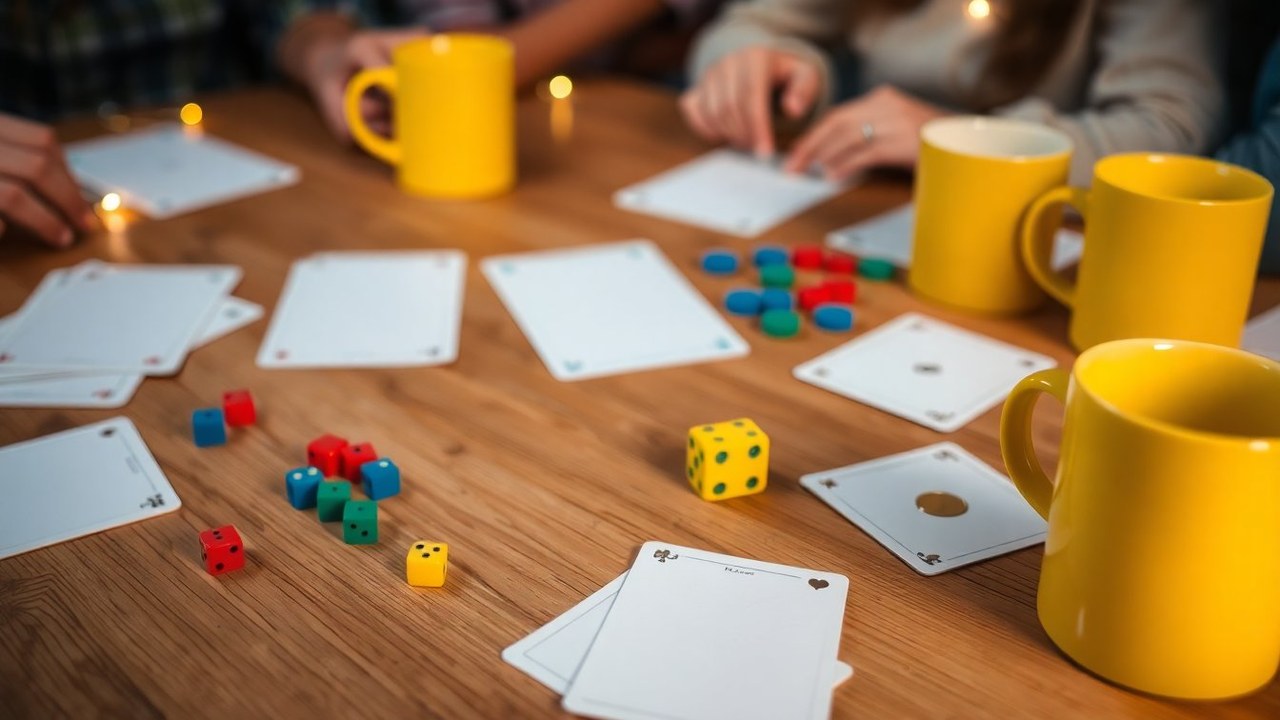
- A few six-sided dice or small tokens for tracking damage
- A coin for deciding who goes first
- A clear table with room for two play areas
- A snack that will not leave greasy fingerprints on the cards
→ Shop Pokemon TCG starter decks on Amazon
Protect the Favorites
Keep valuable or sentimental cards out of the learning pile. Kids will bend, drop, and shuffle cards with great enthusiasm. If your child insists on using a beloved Pikachu, slip it into a sleeve first. Our guide to Pikachu card sleeves and binders covers easy options that survive small hands.
→ Shop Pokemon card sleeves on Amazon
Know Your Player
The official guide suggests matching each phase to the player's skills instead of a strict age. Use this quick reference:
- Phase 1: can add and subtract, and may not be a strong reader yet
- Phase 2: has basic reading ability and can sit through slightly longer turns
- Phase 3: can add, subtract, and multiply, and is happy to read short pieces of text
Stay on one phase for as long as it remains fun. Nobody needs to graduate on the first night.
Phase 1: The Six-Card Pikachu Battle
This first game teaches the Active Pokemon, the Bench, attacks, damage, Hit Points (HP), and Knock Outs. Each player needs just three Pokemon.
Setup:
- Each player chooses three Pokemon. Give one child a Pikachu to lead the team.
- Place one Pokemon face down as the Active Pokemon and two face down on the Bench.
- Use any simple method to decide who goes first.
- Turn all the cards face up.
How to play:
- The first player chooses one attack from their Active Pokemon.
- Subtract the attack's damage from the opposing Active Pokemon's HP. Track it with dice or tokens.
- The next player takes a turn.
- When damage equals or exceeds a Pokemon's HP, it is Knocked Out and goes to the discard pile. Its owner promotes a Benched Pokemon to Active.
- The game ends when one player has no Pokemon left. The other player wins.
Keep it simple: use only the damage number next to each attack and ignore the extra text for now. Choose Pokemon whose attacks show a plain number, because cards with long effects can derail a beginner's first game.
Parent tip: read the numbers out loud and let your child do the subtraction. They get to feel in charge, and they sneak in a little math practice over the break.
Phase 2: Add Energy and Evolution
Once your child understands attacking, add the mechanics that make Pokemon feel like Pokemon. The official guide uses a small 12-card proto-deck for each player. A good structure is one evolution line plus six Energy cards.
Example structure:
- 3 copies of a Basic Pokemon
- 2 copies of its Stage 1 evolution
- 1 copy of its Stage 2 evolution
- 6 matching Energy cards
The guide's examples use Water and Grass decks, which set up nicely for type matchups later. For a Pikachu theme, you could give one player a Lightning deck built around whatever Pikachu and Raichu cards you own. If you do not have a full three-stage line, a simpler two-stage line works fine for home play.
New setup: each player places three Basic Pokemon face down, one Active and two on the Bench. All other cards stay in the hand.
On each turn, a player may:
- Attach one Energy card to one of their Pokemon
- Evolve a Basic Pokemon into a Stage 1, or a Stage 1 into a Stage 2
- Attack, which always ends the turn
The big lesson here is that attacks have a cost. Your child must check that the Active Pokemon has enough Energy attached before attacking. Expect a few moments of "Wait, I can't attack yet!" Those moments are the point, because they teach kids to plan a turn ahead.
Phase 3: Trainer Cards, Prizes, and Real Setup
Now the game begins to look like the real thing. Each player's deck grows to around 21 cards, adding four simple Trainer cards and three Pokemon of a second type, with extra Energy to support them.
New setup:
- Flip a coin to decide who goes first.
- Shuffle your deck and draw seven cards.
- Put one Basic Pokemon face down as your Active Pokemon.
- Put up to five more Basic Pokemon face down on your Bench.
- Set the next two cards from the deck aside, face down, as your Prize cards.
On each turn:
- Draw a card. This is now required.
- Attach one Energy card.
- Evolve any eligible Pokemon.
- Play Trainer cards: as many Item cards as you like, but only one Supporter.
- Retreat your Active Pokemon once per turn by discarding Energy equal to its Retreat Cost.
- Attack, which ends your turn.
New ways to win: when you Knock Out an opposing Pokemon, take one of your Prize cards into your hand. The game ends when a player has no Pokemon left or when someone has taken all of their Prize cards.
Weakness and Resistance: this phase also introduces type matchups. Before calculating damage, check the defending Pokemon's Weakness and Resistance. Kids usually love this part because it gives them a reason to swap Pikachu in against the right opponent. It also means that the correct type of Energy now matters, not just the amount.
→ Shop Pokemon damage counters and dice on Amazon
Beyond Phase 3
When the basics feel easy, replay Phase 3 and start reading the text under each attack. That is where kids meet damage multipliers, Special Conditions, coin flips, and deck searches. After that, encourage them to try Abilities, then move toward Pokemon Tool cards, Stadium cards, and Special Energy.
A standard Pokemon TCG deck has 60 cards and uses six Prize cards, so your 21-card game is a friendly stepping stone rather than the finished format. The activity guide was published in 2019 and its example cards come from older sets, so rely on it for the teaching order and check a current official rulebook for any fine details.
Tips for a Tear-Free Game Night
Play open-handed at first. Let everyone see each other's cards so you can talk through choices together.
Narrate your own turns. Saying "I'll attach Energy, then attack" models the turn order without turning the evening into a lecture.
Let small mistakes go. If a six-year-old forgets to draw a card, gently mention it and keep playing. Momentum matters more than perfect rules.
Keep rounds short. Two or three quick games beat one long battle, especially after dinner.
Rotate the Pikachu. If siblings both want the star of the show, trade it each round. It prevents arguments and shows that other Pokemon can be fun too.
Celebrate good thinking. Praise a smart retreat or a well-timed Evolution as much as a win.
Make It a Holiday Tradition
A deck of cards makes a nice low-screen gift that the whole family can use. Pair a two-player starter with a small playmat or a set of sleeves, and you have a ready-made winter break activity. For more ideas at different spending levels, browse our Pikachu Christmas gifts by budget, and if your new player catches the collecting bug, our guide to the best Pikachu card sets for new collectors is a good next stop.
→ Shop Pokemon playmats on Amazon
The Bottom Line
Teaching the Pokemon TCG gets much easier when you stop trying to explain everything before the first turn. Start with six cards and a simple battle, add Energy and Evolution next, and bring in Trainer and Prize cards when your child is ready. Before long, the kid who once just collected Pikachu cards will be the one explaining Weakness to everybody else at the table.
As an Amazon Associate we earn from qualifying purchases. This article contains affiliate links; if you buy through them we may earn a small commission at no additional cost to you.